Built for Uniform Pressure and Long-Term Shop Efficiency
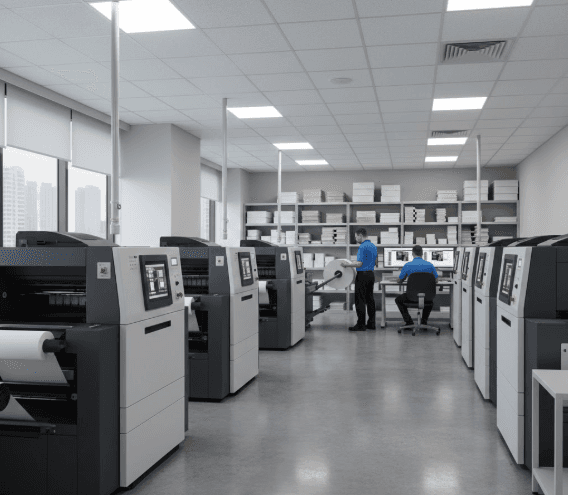
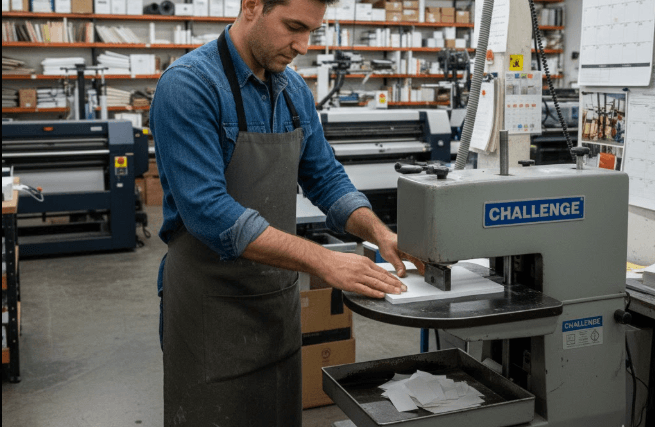
Paper corner rounders are designed to deliver smooth, consistent corners that enhance the appearance of finished documents. To achieve this, each machine depends on sharp blades, responsive springs, and properly aligned moving parts. Over time, repeated use can introduce wear that affects cut quality and slows production. Regular inspection helps identify early signs of fatigue before results begin to suffer. Keeping components balanced ensures predictable performance on every cycle.
Several internal parts work together to control cutting pressure and motion. Blades and cutting blocks shape the corner, while springs, bushings, and linkages regulate force and return movement. When tension weakens or motion becomes uneven, corners may appear rough or inconsistent. The 83016 Challenge Spring – Manual Option plays a key role in maintaining proper tension and responsiveness during operation. Replacing worn components restores smooth motion and supports accurate, repeatable cuts.
Knowing exactly which part needs attention removes guesswork from maintenance. Model-specific diagrams and clear descriptions make it easy to confirm fit and function before ordering. This reduces installation delays and prevents incorrect purchases. Most corner rounder repairs can be completed using standard shop tools, allowing maintenance to stay in-house. Quick, accurate repairs help keep equipment available when it’s needed most.
Staying ahead of wear provides several practical advantages:
These benefits help finishing departments maintain quality without interrupting workflow.
Having dependable replacement parts available allows shops to respond quickly when performance changes appear. Keeping critical components like the 83016 Challenge Spring – Manual Option in good condition helps maintain steady operation throughout the day. With routine inspection and timely part replacement, corner rounding machines continue to deliver professional results. Consistent upkeep protects both productivity and equipment investment over the long term.